
Add Row
Add Element
The Karate Edge Logo
update
The Karate Edge
update
Add Element
  • Categories
    • Martial Arts Training
    • Self Defense & Practical Skills
    • History & Philosophy
    • Injury Prevention/Recovery
    • Competitive Karate & Belt Advancement
    • Mind & Body Conditioning
    • Women's Martial Arts
  • Home
July 13.2025
3 Minutes Read

Revolutionizing Sports Injury Prevention: Insights from 'Ballistic'

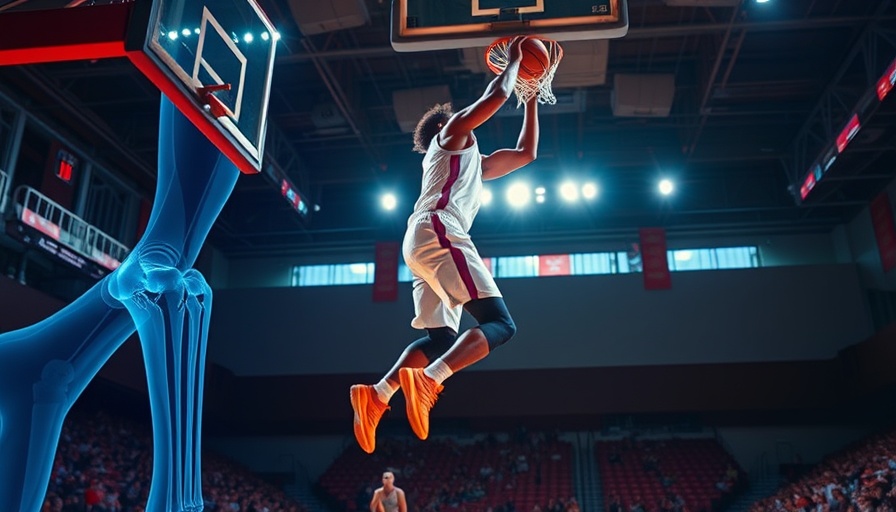
Dynamic scene with basketball player dunking and knee X-ray; preventative martial arts drills.

A Paradigm Shift in Sports Injury Prevention

A new perspective on sports injury prevention is emerging through the insightful work of Marcus Elliott, M.D., highlighted in Henry Abbott's book, Ballistic. Just as we proactively treat heart disease, Abbott suggests it's time we reconsider our approach to movement and sports injuries. With alarming statistics about Americans’ physical inactivity, including that many are unable to qualify for military service due to poor fitness, the urgency to transform our treatment approach has never been greater.

The Hidden Costs of Inactivity

Astoundingly, the World Health Organization attributes around five million deaths annually to physical inactivity. Abbott's observations showcase how America's lifestyle habits have spiraled into chronic pain and disability—a reality where our youth are increasingly unable to perform basic physical activities. Physical movement shouldn't be a privilege reserved for the fit; as parents and caregivers, we must instill the values of fitness and wellness in our children. Parents and young martial artists can derive lessons from this call to action—seizing the importance of adopting martial arts as a means of developing not only strength and agility but also a disciplined mindset.

A Method to Combat Injuries

In martial arts, injury is an all-too-common part of the training regimen. But understanding the method of prevention rather than reaction can alter this trend. Incorporating preventative martial arts drills such as warm-ups focused on flexibility and injury prevention, coupled with combat training safety routines, can promote long-term safety. These strategies can not only improve overall performance but also foster an environment where practitioners focus on injury avoidance.

Diverse Perspectives on Injury Management

A key point raised by Elliott in Abbott’s narrative is the need to shift from a reactive mindset—where we only seek help when faced with pain—to a proactive approach that involves constant monitoring and assessment of one's physical capabilities. Injury prevention in martial arts training can draw from tactical methodologies that not only enhance performance but also mitigate risks associated with practicing. The methodical integration of mental focus for martial arts safety and exercise safety protocols can empower participants to feel resilient and prepared.

Practical Insights for Every Martial Artist

Every martial artist, from beginners to seasoned competitors, can implement simple, effective strategies for injury avoidance. Utilizing performance enhancement tactics such as proper warm-up routines, developing conditioning for injury reduction, and understanding recovery processes can make a significant difference in one's journey toward mastering martial arts. Moreover, advocacy for youth engagement in sports and martial arts should be at the forefront—encouraging active habits from a young age not only benefits the body but shapes a mindset geared towards resilience and discipline.

Building a Community of Injury Awareness

The conversation surrounding sports and injury prevention must spill beyond the conquering of pain—creating an informed community focused on wellness, safety, and performance enhancement. Parents of young children and teen martial artists must be central figures in promoting a culture that prioritizes health and functional capability over other competitive pressures. Injury-related education forms the cornerstone upon which we can develop better training practices—leading to improved outcomes for everyone.

Conclusion: Take Action for a Healthier Future

As we embark on a new approach to sports injuries, consider how you can incorporate the principles of prevention in every training session. By adopting martial arts conditioning techniques, utilizing injury avoidance routines, and fostering a deeper understanding of physical resilience, individuals can protect themselves and their loved ones from the dangers of inactivity and injury. Let's take proactive steps towards a healthier and more active life. If you're interested in learning more about injury prevention and enhancing your martial arts skills, consider joining a local class focusing on preventative training drills to ensure safety and effectiveness.

Injury Prevention/Recovery

Write A Comment

*
*
Related Posts All Posts
12.11.2025

Enhance Your Martial Arts Experience with Safety Governance Insights

Update The Importance of Safety Governance in Martial Arts In the ever-evolving world of martial arts, promoting a safe training environment is paramount. As society becomes increasingly litigious, martial arts schools must adapt their strategies to integrate safety governance effectively. This not only mitigates the risk of lawsuits but also ensures peace of mind for both instructors and students alike. Building a Robust Curriculum Your curriculum is the foundation of your martial arts business—it’s your product. A well-defined curriculum not only outlines the journey from novice to experienced practitioner but also includes safety measures for each class. For instance, in kickboxing classes Gurnee, instructors should integrate safety drills into the training schedule to prepare students for real-world situations while minimizing injury risk. Diversifying Revenue Streams The success of a martial arts school hinges on its ability to generate revenue. Beyond just charging fees for karate lessons Gurnee, schools can explore various revenue streams. Implementing workshops, seasonal camps, and retail sales of gear can offer financial stability. This financial cushion allows schools to invest more heavily in safety protocols and equipment, ensuring that the safety governance remains a priority during lessons. Adapting to Challenges The COVID-19 pandemic highlighted the necessity for adaptability in martial arts. With remote training and smaller class sizes becoming common, schools must innovate. For instance, families enrolled in Gurnee martial arts school programs can participate in online self-defense training or kids martial arts classes to maintain skills while fostering a sense of community. Ensuring Compliance with Safety Protocols Safety governance cannot be an afterthought. It requires consistent reevaluation and updating of health measures. Schools could implement mandatory safety gear during all classes, including protective equipment for sparring sessions. It’s an investment that protects participants while enhancing their training experience. Conclusion and Call to Action As martial arts enthusiasts, ensuring safety governance in your training environments can lead to lasting legacies in your schools. Whether you are part of a Gurnee karate academy or involved in mixed martial arts Gurnee, understanding and implementing safety practices can enhance your reputation and success. As you move forward, remember the importance of continual learning and adaptation; enroll in our upcoming workshops to dive deeper into effective safety governance strategies and elevate your martial arts experience.

12.12.2025

Modern Sports Safety: Essential Injury Prevention Techniques for Martial Artists

Update Understanding Modern Sports Safety In the fast-paced world of sports, safety is paramount for athletes at all levels. Ranging from children in martial arts to seasoned competitors, the focus on injury prevention has evolved dramatically in recent years. Modern techniques and technologies have transformed how coaches and trainers manage risks and protect athletes from injuries. These advancements are not only essential for improving performance but also critical for preserving the longevity of an athlete’s career. Injury Prevention in Martial Arts Training Training in martial arts encompasses physical agility, mental toughness, and critical techniques that can help mitigate injuries. One effective approach is through preventative martial arts drills that focus on flexibility and conditioning. Notably, martial arts conditioning for injury reduction plays a strong role in ensuring practitioners develop the physical resilience needed to withstand the rigors of their training. Cardio workouts that blend strength, flexibility, and endurance promote not only improved athletic performance but significantly decrease the chances of torn ligaments or muscle strains during training sessions. Furthermore, an emphasis on mental focus for martial arts safety helps students stay aware of their bodies and surroundings, significantly reducing accidents. Technology's Role in Injury Prevention Emerging technologies are key in sports injury prevention today. For instance, wearable technology enables real-time monitoring of an athlete’s vitals, movements, and potential fatigue inflicted from extensive training. This technology assists coaches in modifying drills to avoid overexertion that could lead to injuries. Moreover, the incorporation of artificial intelligence (AI) helps in assessing risks based on the collected data, allowing adjustments that can preempt injuries before they happen. Insights from Recent Studies Recent studies indicate a noticeable decline in sports injuries, attributed to advancements in training regimens and the introduction of injury prevention workshops. These workshops educate athletes and coaches on the optimal running footwear for injury avoidance and other safety protocols that enhance performance while keeping injury risks at bay. One particularly impactful innovation is that of smart fabrics that track physical exertion levels and fatigue, providing users with data that can inform safer training practices. Athletes can now make smarter decisions regarding their health, improving safety compliance within their practices. The Importance of Recovery Techniques Recovery also plays a significant role in injury prevention. Techniques such as cryotherapy, which utilizes extreme cold to facilitate healing, and hyperbaric oxygen therapy are gaining recognition among competitive athletes seeking to expedite recovery times. Indeed, recovery and preventative training should go hand in hand, as insufficient rest increases susceptibility to injuries during high-intensity activities. Future Forecasts in Injury Prevention Looking ahead, it’s essential for trainers and participants in martial arts and other sports to adopt robust and adaptable training methods. Continued collaboration between technology innovators and sports professionals will pave the way for better athlete wellness programs that are more personalized than ever. This predictive approach, utilizing AI and genetic testing, will allow athletes to tailor their training regimens based on their unique physical compositions, ultimately leading to reduced injury occurrences and optimized performance. Conclusion: Prioritize Safety For those involved in martial arts—from dojo instructors to students—prioritizing safety through informed practices and innovative methods is a must. It safeguards not only the physical health of participants but also enhances their overall training experience. Remember, effective injury prevention and recovery strategies are just as important as the training itself. For personalized training tailored to your martial arts journey, call Sensei Gruber now at 224-347-6655 for expert one-on-one instruction.

12.08.2025

Exploring Cutting-Edge Sports Engineering: Enhancing Performance and Safety

Update Unleashing Athletic Potential Through Innovative EngineeringThe world of sports is continuously evolving, with engineering playing a pivotal role in enhancing human performance. At the forefront of this development is the University of Miami’s unprecedented Master of Science in Sports Engineering program. Designed to bridge the gap between mechanical engineering, biomechanics, materials science, and human physiology, this program is preparing the next wave of innovators equipped to transform athletic performance.Francesco Travascio, associate professor of mechanical and aerospace engineering, articulates the necessity of this program, noting the growing demand for professionals who can effectively integrate engineering with sports science. "We developed this program to meet the growing demand for professionals at the intersection of engineering and sports," he emphasizes. This interdisciplinary perspective empowers students to address real-world challenges, setting the stage for them to enter the booming sports tech industry.Advanced Technologies Driving PerformanceTechnological advancements in sports wear and equipment are imperative for optimizing athlete capabilities. The use of cutting-edge materials like compression wear aids in muscle recovery and enhances performance by improving circulation. Such innovation has shown tangible benefits in athletic endeavors, reducing muscle fatigue and expediting recovery times.The rise of 3D printing technology allows for the personalization of athletic gear. From custom shoes to protective equipment, 3D printing not only tailors items to fit the unique specifications of each athlete but also ensures that athletes wear gear engineered for peak performance. This marriage of creativity and technology demonstrates a paradigm shift that accommodates individual needs, enhancing safety and performance simultaneously.Emphasizing Injury Prevention and SafetyInjuries can sideline an athlete’s career, making injury prevention and recovery critical focal points within sports engineering. Technologies such as advanced motion capture systems enable the analysis of biomechanics during sports activities. By studying movement data, athletes can adopt preventative measures against injuries, significantly reducing their risk of chronic issues.Additionally, the significance of mental focus in martial arts, for instance, cannot be overlooked when addressing safety protocols. Integrating mindfulness techniques into training can enable martial artists to enhance their situational awareness and responsiveness, critical elements in reducing injury risk during rigorous practice. This holistic approach to training is indicative of a dynamic shift towards comprehensive athlete welfare.Collaboration with Healthcare ExpertsThe interdisciplinary nature of the program extends beyond engineering; it encompasses collaboration with medical professionals to address the physiological aspects of sports performance. Dr. Thomas Best, a physician-scientist specializing in sports injuries, adds a medical layer to the program, ensuring that aspiring engineers understand the clinical implications of their design and innovation efforts.This collaboration symbolizes an essential relationship in today’s sports landscape, where athlete care intersects with technological innovation. By embedding medical insights into engineering curricula, students can create designs that not only enhance performance but also safeguard athlete health.Real-World Applications in Pristine EnvironmentsBeing located in South Florida presents unique opportunities for students driven by the dynamic landscape of professional sports, elite training facilities, and a thriving startup ecosystem focused on technology and health. Students can harness their research and engineering skills in practical settings, applying classroom learning in real-world scenarios that reinforce their educational experience.This tangible application of learning ensures that students are not only absorbing theoretical knowledge but also developing contextual expertise in a vibrant athletic environment.Future Trends in Sports TechnologyAs innovation continues to permeate the sporting arena, the implications for performance enhancement are vast. With an increasing emphasis on sustainability, new materials derived from recycled sources and biodegradable fabrics are becoming prevalent in sportswear. These advancements not only enhance performance but also contribute to environmental stewardship.Maintaining competitive edge through such innovative practices positions students and professionals within this realm to lead the charge in an ethically responsible future of sports—where performance and sustainability coexist harmoniously.Conclusion: The Call to ActionAs the realms of technology and sports collide, pursuing a mastery in sports engineering opens up a wealth of opportunities for current and future athletes. Investing in such education resonates beyond individual performance, fostering a healthier and more resilient sports community. For martial artists and fitness enthusiasts looking to enhance their skill sets, consider personal training that integrates these advanced methodologies into your practice. Call Sensei Gruber Now for Personal 1 On 1 Training at 224-347-6655 and take the first step toward merging martial arts with cutting-edge sports technology.

Terms of Service

Privacy Policy

Core Modal Title

Sorry, no results found

You Might Find These Articles Interesting

T
Please Check Your Email
We Will Be Following Up Shortly
*
*
*