
The Karate Edge Logo
update
The Karate Edge
update
  • Categories
    • Martial Arts Training
    • Self Defense & Practical Skills
    • History & Philosophy
    • Injury Prevention/Recovery
    • Competitive Karate & Belt Advancement
    • Mind & Body Conditioning
    • Women's Martial Arts
  • Home
September 07.2025
3 Minutes Read

New Saturday Sports Injury Clinic: Essential for Martial Artists and Athletes

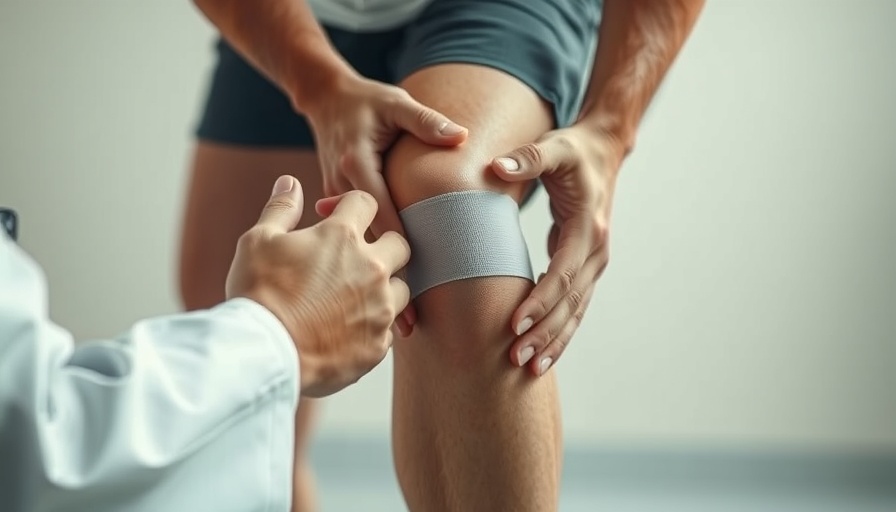
Doctor examining a bandaged knee, sports injury prevention.

OSF HealthCare's New Initiative: Sport Injury Clinic for Athletes

In a crucial move to enhance athlete care, OSF HealthCare, in collaboration with Great Plains Orthopaedics, has launched a Saturday morning sports injury clinic. This walk-in clinic is set to operate every Saturday from 8 a.m. to noon until October 25 at the OSF Center for Health in Peoria, Illinois. The initiative provides a streamlined approach for athletes who might otherwise face delays due to referrals from urgent care facilities. Now, injured athletes can receive immediate attention from orthopedic specialists directly at the clinic.

Why This Service Matters for Martial Artists

For martial artists and combat sports participants, the risk of injuries is an ever-present concern. Understanding preventive measures is not just beneficial; it's essential for continued participation and performance. The OSF Sports Injury Clinic represents a direct avenue for prompt diagnosis and treatment, which can be critical in preventing long-term damages often associated with delaying care.

Integrating Martial Arts Injury Mitigation Techniques

As a seasoned self-defense strategist, I advocate for integrating preventative training into martial arts routines. The importance of combat training safety protocols can't be overstated. Developing a strong foundation of injury mitigation techniques can empower practitioners. This includes warm-up routines tailored to enhance flexibility and adaptability, which are crucial in high-intensity settings.

Enhancing Performance Through Injury Prevention

Participating in martial arts doesn’t just sharpen your mind and body; it also requires a comprehensive approach towards injury management. Employing sports injury mitigation plans, such as regular physical training injury control practices, enhances resilience. Athletes should focus on conditioning routines designed to strengthen muscle groups commonly strained during martial arts training.

Support for Rehabilitation and Recovery

The OSF clinic also serves as a vital resource for recovery. Post-injury, athletes can benefit from rehabilitation strategies tailored specifically to their combat sports needs. Injury prevention workshops offered in conjunction with the clinic can equip martial artists with the knowledge of safe workout practices and performance safety coaching, ensuring they remain not only injury-free but also at peak performance levels.

Making the Most of Training

Incorporating actionable insights into martial arts training can significantly reduce injury risks. Simple preventative fitness routines, such as enhancing mental focus during combat training, improve overall safety during sparring and competitives. Adapting training processes to embed injury awareness and safety compliance can make your practice not only safer but more effective.

Future Outlook on Sports Safety in Martial Arts

The ongoing partnership between OSF HealthCare and Great Plains Orthopaedics is a promising step toward elevating athlete wellness and safety standards. With increasing participation in martial arts and combat sports, it is imperative that we stay ahead of the curve in injury prevention. By taking advantage of facilities aimed at athlete protection and injury avoidance, martial artists can enhance both the quality of their training and their overall health.

Conclusion

As martial arts practitioners and fitness enthusiasts, we have the opportunity to leverage innovative resources like the OSF Sports Injury Clinic. Prioritizing injury prevention and maintenance not only aids our performance but also embodies the spirit of continuous improvement that martial arts instills in us. Take action today by visiting the OSF clinic to ensure you remain on the path to health and success.

Injury Prevention/Recovery

0 Comments

Write A Comment

*
*
Please complete the captcha to submit your comment.
Related Posts All Posts
05.23.2026

The Heartbreaking Loss of Young Karate Enthusiast Ahana Binoy: A Call for Safety in Training

Update Tragic Incident in Anchal: In a heartbreaking occurrence that has sent ripples through the martial arts community, 11-year-old Ahana Binoy passed away after feeling unwell during a karate training session in Anchal. Initially participating in a preparatory exercise for a black belt exam, Ahana's session took a dire turn when she fell ill around 1:40 PM, leading to persistent vomiting. Despite her mother and instructor rushing her to a nearby hospital, her condition proved fatal. Investigation Underway: The local police have launched an investigation into the incident, particularly due to allegations from Ahana's parents regarding the dojo's conduct and safety measures, raising vital questions about the protocols in place during training sessions. The precise cause of her death will be determined following a comprehensive postmortem examination, which is essential to understanding what went wrong during the training. Concerns Over Safety in Martial Arts Training: Ahana's tragic fate is not an isolated event. In recent years, incidents highlighting safety lapses in children’s martial arts training have surfaced. A similar case involved a seven-year-old girl who died after sustaining injuries during a karate session, shedding light on a disturbing trend of serious injuries occurring in training environments for young students. These incidents emphasize the need for strict safety protocols in martial arts schools and the importance of adequately prepared instructors. Many parents may wonder whether the benefits of martial arts training outweigh the risks, prompting ongoing discussions about safety measures within children's programs. Importance of Safety Protocols: Accidents can happen in any sport, but when it comes to children, the emphasis on safety becomes even more paramount. Parents and guardians are encouraged to research and ensure that the karate academies they choose for their children adhere to rigorous safety standards. This includes emergency protocols, instructor training certifications, and class sizing that allows for proper supervision. It’s essential to foster an environment where physical activity is balanced with health safety, especially for young, developing bodies. Coping with Grief and the Need for Support: For the community and Ahana's family, coping with such a sudden loss can be profoundly challenging. Support systems, including counseling for families affected by such tragedies, are critical. This incident can serve as a catalyst for discussions about emotional wellness alongside physical training in martial arts, leading to a more holistic approach to fitness that respects both the mental and physical aspects of learning self-defense. Conclusion and a Call for Action: As a community, staying informed and advocating for enhanced safety measures in martial arts training is crucial. Ensuring children train in safe environments not only honors the memory of those lost but also protects future generations from similar tragedies. We encourage the public to consider supporting local martial arts academies that stress safety and care for their students, ultimately fostering a secure and enjoyable space for learning and growth. Parents looking for martial arts classes in Gurnee should prioritize academies that demonstrate a commitment to comprehensive safety protocols and student well-being.

05.23.2026

Karate Tragedy: How the Death of an 11-Year-Old Girl Sparks Safety Awareness

Update Tragic Incident Strikes Local Martial Arts Community In a heartbreaking turn of events, the martial arts community in Kollam, Kerala, is grappling with the tragic death of 11-year-old Ahana Binoy, who collapsed during karate practice. This incident underscores the importance of safety and health monitoring in sports, particularly for children. Understanding the Risks in Martial Arts Training Karate and other martial arts can provide invaluable skills such as discipline, focus, and self-defense techniques. However, incidents like Ahana's raise crucial concerns about health and safety protocols within training environments. Various factors can contribute to health emergencies during physical activities, including dehydration, overexertion, or undiagnosed health conditions. It is essential for instructors and parents to work together to establish safe training practices that prioritize the welfare of young martial artists. The Role of Parents and Guardians in Martial Arts As parents, one of the most significant responsibilities is to advocate for your child's safety in all activities, especially in demanding physical sports. Regular health check-ups and open communication with instructors about your child's health are vital. Parents should also seek martial arts schools that have established safety protocols and are transparent about their training practices and emergency response plans. Insights from Local Martial Arts Schools In light of this tragedy, local martial arts schools in Gurnee, such as the Gurnee Karate Academy and various self-defense classes, emphasize the importance of health education alongside physical training. Educators are now more focused on creating awareness about recognizing symptoms of distress among young students. They are implementing measures to ensure a quick response to any health concerns that may arise during practice. Community Support and Growth The loss of a child in any community is profoundly felt, and the martial arts community in Kerala is no exception. The incident has prompted calls for a deeper investigation into the safety practices of training academies. Support networks for parents and students are gaining traction, fostering a sense of community where experiences are shared, and lessons are learned to prevent future tragedies. What Can Be Done Moving Forward? To honor young Ahana's memory and to promote a culture of safety in martial arts, stakeholders are encouraged to reflect on the following actionable insights: Engage in dialogues with trainers about safety protocols and health policies. Participate in workshops that educate on how to respond in emergencies. Advocate for regular health screenings for young martial artists. In closing, while martial arts can serve as a powerful tool for personal growth and self-defense, safeguarding young practitioners must remain a top priority.

03.24.2026

Unlock Peak Performance with Active Recovery Techniques for Martial Artists

Update Unlocking the Power of Active Recovery for Martial Artists Martial artists thrive on intensity. Their training regimens are demanding, pushing the limits of physical and mental endurance. However, just as crucial as hard training is the practice of active recovery, a methodology that allows martial artists to maintain peak performance without adding to the wear and tear of their bodies. Active recovery keeps the body agile, sharp, and ready for the next challenge. In this article, we’ll explore effective recovery strategies that every martial artist should integrate into their routines. Embrace Light Movement: Why It Matters After a rigorous training session, the body often craves action, not total rest. Contrary to popular belief, complete inactivity can foster stiffness and soreness. This is where low-intensity activities come in. Light movement—such as gentle walking, cycling, or swimming—enhances blood circulation, delivering essential nutrients to fatigued muscles while eliminating metabolic waste. Remember, the aim is to engage in activities where you can still chat comfortably. This isn’t about exertion; it’s about feeling revitalized. Mobility and Flow: The Key to Fluidity Next, focus on mobility and flow. Intense training can leave joints feeling restricted. Implementing controlled movements through mobility work can restore smooth joint motion. Techniques like slow lunges and ground transitions focus on critical areas such as hips, spine, and shoulders. This approach not only enhances flexibility but also maintains coordination—two vital elements for any martial artist. Just 10-15 minutes of these activities on recovery days may lead to noticeable improvements in your subsequent training sessions. Resetting the Nervous System Through Breathing Hard training doesn’t just stress the muscles; it can also keep the nervous system revved up. Transitioning from the high-energy state of combat to a relaxed mode is essential for effective recovery. Intentional breathing exercises can signal your body to enter a relaxed state. These techniques, like box breathing or slow inhalation through the nose, lower stress hormones and enhance recovery. Adequate breathing practices after sparring sessions can significantly improve relaxation and recuperation. Think of your breath as a powerful tool in your recovery arsenal. Soft Tissue Care: Treating Your Body Right Finally, don’t overlook the importance of soft tissue care. Utilizing tools such as foam rollers or massage balls aids in reducing muscle tension and enhancing circulation. Focus should be placed on overworked areas—calves, quads, and shoulders—to restore movement quality. The pressure should feel good; if not, you may be doing more harm than good. Soft tissue care complements active recovery, supporting mobility and promoting healing. Long-Term Benefits of Active Recovery The influence of active recovery extends far beyond immediate relief. By integrating these techniques into your routine, you enhance joint mobility and speed up recovery, allowing you to approach each training session with renewed vigor and sharpness. This commitment to recovery can help you train more consistently, avoid injuries, and ultimately give you a competitive edge in martial arts. Get Involved: Active Recovery Classes Near You For martial artists in Gurnee looking to take their recovery seriously, there are numerous martial arts classes available, including karate lessons, taekwondo, and self-defense classes. The local community offers many opportunities to practice these important recovery strategies in professional settings. Enroll in a Gurnee martial arts school or join a martial arts dojo to learn about active recovery, join others on a similar journey to enhance your training, and refine your skills. Remember, the path of a martial artist does not just lie in training hard but also in recovering purposefully. Take the time to incorporate these techniques into your routine, and witness a significant improvement in your martial arts journey.

Terms of Service

Privacy Policy

Core Modal Title

Sorry, no results found

You Might Find These Articles Interesting

T
Please Check Your Email
We Will Be Following Up Shortly
*
*
*