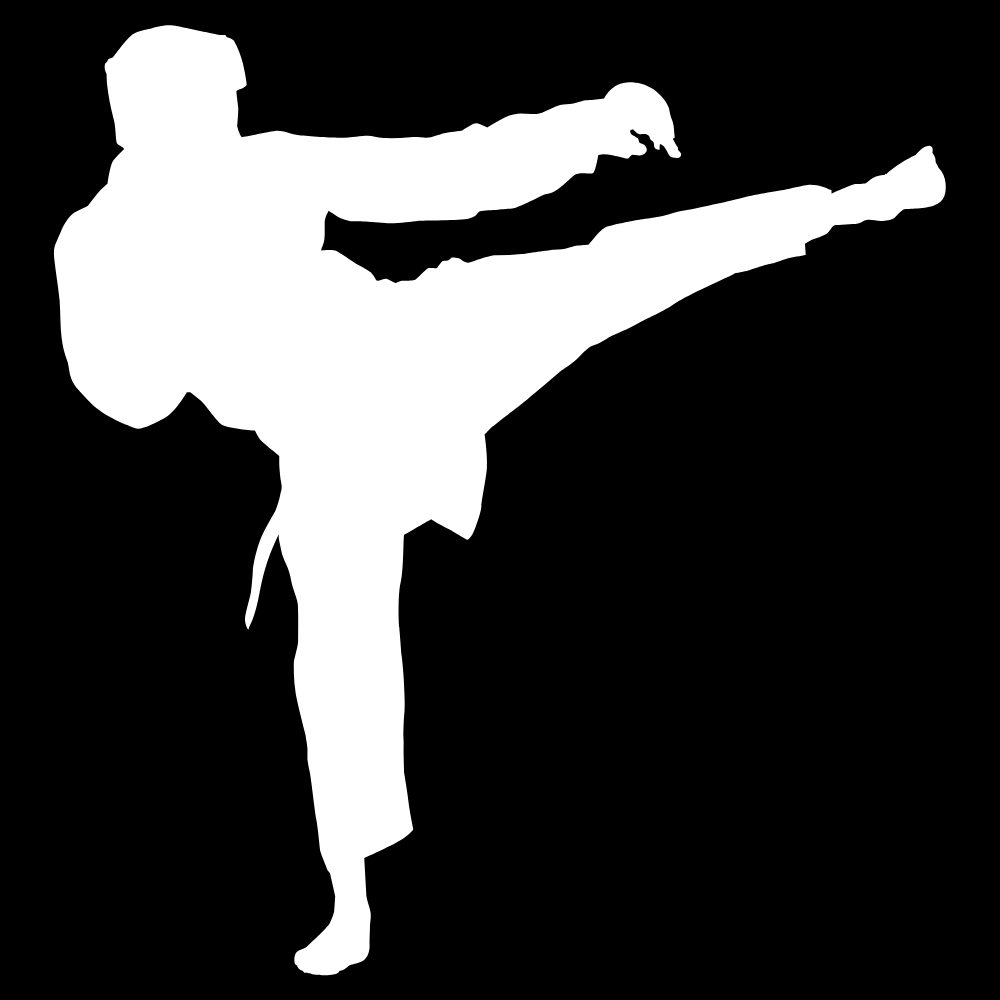


Understanding Fascia: The Hidden Factor in Your Kicks
As karate practitioners, we often focus on our techniques, power, and precision during training. However, there's an often-overlooked aspect of our bodies that significantly influences our performance — fascia. This connective tissue plays a crucial role in how our muscles function, particularly in movement mechanics like kicking. When it comes to executing a kick, our body's fascia can either enhance our technique or become a source of disruption by pulling us out of alignment.
The Role of Fascia in Body Mechanics
Fascia is a web of connective tissue that envelopes muscles, bones, and joints. It is vital for maintaining structure and facilitating movement. In karate, fascia is particularly important when executing a kick. If the fascia becomes tight due to stress, poor training habits, or injuries, it can pull your head and shoulders forward, disrupting the balance and alignment necessary for a proper kick. This misalignment not only affects the energy transfer during the kick but can also lead to fatigue and potential injury.
How to Recognize and Address Fascia Issues
Recognizing if you're experiencing fascia-related issues can be subtle. Signs may include a feeling of tightness in the neck or shoulders, difficulty maintaining balance during kicks, or a sensation of being pulled forward. To address these issues, incorporating self-care practices such as foam rolling, dynamic stretching, and specific warm-up routines that target the fascia can be particularly effective. Additionally, paying attention to your posture during training can help mitigate some of the pulling effects fascia can exert.
Exercises to Help Optimize Kicking Mechanics
To counteract the pulling effects of fascia during kicking, consider introducing exercises that focus on flexibility and strength. Activities like yoga or Pilates can enhance your flexibility and help realign your body, minimizing the disruption caused by tight fascia. For instance, doing a pigeon pose stretch allows for the opening of the hips and improves your ability to kick effectively. It's also beneficial to engage in balance exercises to strengthen your core and improve stability.
The Impact of Fascia on Overall Performance
Understanding and addressing the role of fascia in your kicking can lead to better performance not just in karate but in other martial arts disciplines, such as Taekwondo and kickboxing. Maintaining fascia health contributes to your overall agility and power, allowing for better execution of techniques. It can also reduce the risk of injury, making it an essential focus for anyone participating in martial arts.
Training in the Gurnee Area: Opportunities for Improvement
If you’re keen on enhancing your kicking techniques and realizing the benefits of proper fascia management, consider checking out martial arts classes in the Gurnee area. Participating in programs like Gurnee karate lessons or Gurnee kickboxing classes can provide you with insights on how to strengthen your kicks while taking care of your fascia. Additionally, engaging in a mixed martial arts session or self-defense classes can introduce varied training that engages different muscle groups, promoting overall body health.
Whether you're aiming to improve your kicking skills for competition or simply for personal growth in martial arts, understanding how fascia functions can be transformative. By implementing these insights into your training routine, you can enhance your performance, prevent injury, and enjoy your practice of martial arts even more.


Write A Comment