
Add Row
Add Element
The Karate Edge Logo
update
The Karate Edge
update
Add Element
  • Categories
    • Martial Arts Training
    • Self Defense & Practical Skills
    • History & Philosophy
    • Injury Prevention/Recovery
    • Competitive Karate & Belt Advancement
    • Mind & Body Conditioning
    • Women's Martial Arts
  • Home
August 19.2025
3 Minutes Read

Explore How the Movement Science Lab Enhances Sports Injury Prevention

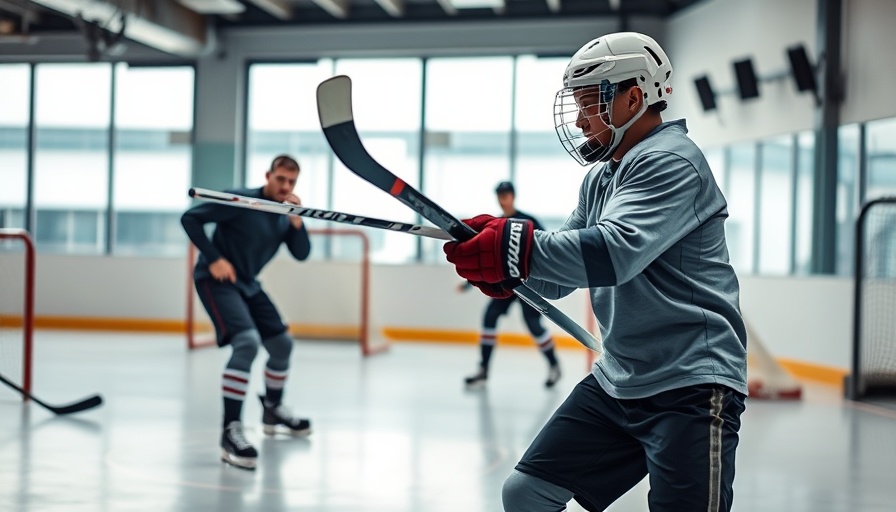
Hockey player practicing in sports facility demonstrating injury prevention techniques.

Revolutionizing Sports Safety: A Peek into the Movement Science Lab

At the forefront of innovative injury prevention, the Movement Science Lab at the Scottish Rite for Children is making strides in how we approach safety in sports, particularly for young athletes involved in disciplines such as karate, soccer, and football. The lab employs cutting-edge technology to assess and improve the physical capabilities of athletes, ensuring they perform at their best while minimizing the risk of injuries. These techniques are crucial for parents and coaches seeking effective methods to protect children participating in contact sports or martial arts.

Why Injury Prevention Matters for Young Athletes

Injury prevention is a significant concern in martial arts training, as well as in sports like soccer and football, where young athletes often push their limits. The Movement Science Lab emphasizes personalized injury risk assessments, helping to tailor preventative training drills to the individual needs of each athlete. When children learn proper body mechanics and conditioning techniques, they can enhance their performance while safeguarding their physical well-being.

Using Technology for Injury Mitigation Techniques

The lab utilizes a combination of motion analysis and physical strength assessments to identify potential weak points in an athlete's performance. This technology allows trainers to implement martial arts flexibility and injury prevention routines that specifically target areas that might lead to injuries. Parents of martial arts students will appreciate these insights, as they help develop a safer training environment for their kids.

Combat Training Safety Routines: Essential for Every Martial Artist

For those involved in martial arts, it’s crucial to establish clear combat training safety protocols. The Movement Science Lab champions this by integrating comprehensive training routines that ensure students understand how to execute techniques safely. This not only prepares them physically but also mentally, strengthening their mental focus for martial arts safety.

Promoting Athletic Recovery and Injury Avoidance

Understanding how to recover from injuries is just as important as preventing them. The lab’s methodologies include injury recovery and avoidance strategies that focus on a holistic approach to athlete wellness. By educating athletes on rehabilitation methods and their roles in performance enhancement tactics, the lab fosters a culture of safety and resilience.

Bridging Knowledge and Practice: A Call for Action in Local Gyms

Martial arts dojos and fitness studios in the Gurnee area are encouraged to adopt these evidence-based techniques. By collaborating with the Movement Science Lab and following their sports injury mitigation plans, local instructors can significantly enhance their programs. It is vital for instructors to understand how to integrate these strategies into safe sports practice methods, which will benefit their students greatly.

Injury Prevention Workshops: Educate and Empower

To further enhance safety practices, workshops focusing on injury prevention in martial arts training should be organized frequently. These sessions can teach students, parents, and coaches about physical training injury control and fitness injury avoidance tips. Such proactive measures can equip everyone involved with tools to maintain safety in their routines.

Conclusion: A Proactive Approach to Sports Safety

As the awareness about sports injuries continues to grow, it is imperative for all stakeholders—parents, coaches, and athletes—to embrace the technological advancements and training techniques offered by institutions like the Movement Science Lab. By prioritizing injury avoidance routines and incorporating safety-first mindsets into practices, we can collectively foster a safer sporting environment for future generations.

Injury Prevention/Recovery

0 Comments

Write A Comment

*
*
Related Posts All Posts
01.22.2026

Empowering Young Minds: Learning Child Safety Through Engaging Animation

Update Building a Foundation for Child Safety Education The latest initiative from Taiwan's Ministry of Education is making significant strides in the realm of child safety education. Partnering with the Jing-Juan Foundation, the ministry has introduced a series of animated educational materials aimed at preschool children to instill critical safety concepts in their daily lives. This program emphasizes teaching young children about traffic, water safety, and fall prevention—key areas where awareness can prevent accidents and injuries. Engaging Learning Through Animation The use of animation makes the learning process more engaging for young minds. By incorporating relatable life scenarios, these materials help children understand the importance of personal safety in a context they can grasp. For instance, animated narratives could depict scenarios such as walking safely across a street, recognizing hazards near water bodies, or preventing falls at home and in school environments. These stories not only educate but also entertain, keeping children invested in learning how to protect themselves. Integrating Parents and Educators in Safety Education The initiative encourages collaboration between parents and educators to ensure that safety education is reinforced both at school and home. By placing educational resources on a national caregiving information platform, the government aims to provide teachers and parents with the tools they need to discuss these vital topics. Importantly, this collaborative approach allows safety measures to be consistently reinforced in various contexts, ultimately helping children internalize safe behaviors. Real-Life Context: The Importance of Safety Education Consider how many accidents stem from a lack of understanding regarding personal safety. In an era where parents juggle various responsibilities, knowledge about creating safe environments for children is paramount. The realities of modern life—busy streets, potential hazards in recreational areas, and vertical spaces in and around homes—underscore the importance of early education on these matters. The program not only raises awareness but also fosters empowerment, equipping children with the skills to identify and avoid risks. Future Implications: Impact on Community and Society In the long term, early education about safety can lead to a generation of children who are more aware of their surroundings and better equipped to make safer decisions. By establishing a strong safety culture from a young age, we can potentially reduce accident rates and enhance community well-being. As this program gains traction, it may serve as a model for safety education initiatives worldwide, encouraging countries to prioritize child safety at all educational levels. Engaging with the Program: What Can You Do? For parents and community members, this initiative represents a vital opportunity to engage in conversations about safety with children. Utilizing the resources provided by the Ministry of Education not only helps facilitate discussions at home but also fosters an environment where children feel empowered to speak up if they encounter unsafe scenarios. Support from family and community can bridge gaps, ensuring that children receive comprehensive safety education. In summary: This initiative emphasizes the need for an ongoing dialogue about safety education in early childhood, aiming to integrate this awareness effectively into children's lives through engaging, relatable methods. By working together as a community, we can build a safer future for our children.

01.22.2026

Empowering Children Through Animated Safety Education Resources

Update Empowering Our Young Ones: The Importance of Safety EducationIn an increasingly unpredictable world, equipping our children with essential safety skills is not just important—it’s imperative. The recent initiative by Taiwan's Ministry of Education to launch animated safety education materials for preschoolers exemplifies this sentiment. Collaborating with the Jing-Chuan Foundation, this program aims to educate young children on critical safety topics such as traffic rules, water safety, and fall prevention. Through these resources, the Ministry hopes to foster a generation that is not only aware but also proactive about their safety. Why Confidence in Safety MattersPsychological studies emphasize the correlation between self-esteem and a person’s ability to effectively handle challenging situations. When children are taught safety measures early on, they gain not just knowledge but also confidence in navigating potentially dangerous scenarios. For instance, teaching rules like “stop, look, and listen” while crossing streets does not just facilitate compliance; it empowers children to take charge of their own safety. Real-Life Learning ScenariosInteractive learning can profoundly shape how children internalize knowledge. The animated resources utilize relatable situations to teach safety protocols. Whether it’s walking safely by the road, swimming responsibly, or recognizing potential falls in their environment, these structured scenarios allow children to rehearse responses in a safe context, thereby laying the groundwork for instinctive reactions in real-life situations. Parents can further reinforce these lessons by discussing these educational animated videos after viewing. Building a Safety-Conscious CommunitySafety education should not be an isolated effort; it must involve collaboration between schools and families. By integrating safety training into daily life, children can see the importance of maintaining safety as a routine—a life skill that will benefit them throughout their lives. The Ministry advocates that parents engage with children regarding safety stories, thus creating a supportive environment for ongoing discussions about safety. Global Perspectives on Child Safety EducationThe initiative in Taiwan mirrors similar global efforts focusing on child safety education. Countries like Australia and the UK have implemented comprehensive safety education frameworks aimed at young children. Studies demonstrate that consistent early safety education substantially reduces accidental injuries. Globalizing the conversation about child safety can lead to improved outcomes not just at the local level, but worldwide. Taking Action: What Parents Can DoAs parents and caregivers, there are proactive steps we can take to enhance our children’s safety awareness. Engaging them in safety drills, discussing how to react in dangerous situations, and even involving them in community safety workshops can significantly strengthen their understanding. Safety education is a lifelong commitment, and establishing a foundational knowledge early on will reap benefits as children grow.

02.18.2026

Aspetar's New Risk Management Plan: Revolutionizing Football Injury Prevention

Update A New Era in Injury Prevention: Aspetar's Game-Changing Initiative Aspetar, the renowned Orthopaedic and Sports Medicine Hospital in Doha, has taken a groundbreaking step towards safeguarding athletes' health by introducing the Sports Injury and Illness Risk Management Plan (RMP). This initiative, which encompasses all professional football clubs in Qatar, aims to set a global standard for injury prevention in sports, aligning with Aspetar's commitment to prioritize player welfare. Understanding the RMP Tool The RMP tool is not just a theoretical framework; it provides a practical roadmap that clubs can implement to assess and mitigate injury and illness risks effectively. With over 800 potential risks identified across the league, the rollout of this tool has entered a new phase, focusing on personalized prevention strategies that are vital for the long-term health of athletes. Key Strategies for Injury Prevention One of the standout features of this program is its emphasis on individualized approaches. Clubs reported an average of 1.9 risks per player, with 72% of these being unique to individual athletes. This highlights the importance of tailored preventative measures, such as strength training and improved communication strategies, which are crucial for maintaining high performance. Moreover, Aspetar’s initiative mirrors similar preventive strategies discussed widely in martial arts training, where techniques and practices focus on injury reduction. For instance, adopting preventative martial arts drills not only enhances performance but also significantly reduces injury risks. Collaboration and Shared Accountability Achieving effective injury prevention requires collaboration among a multidisciplinary team. Aspetar's RMP tool assigns roles to specialists, ensuring that medical professionals, coaches, and players work together toward common goals. This approach not only reinforces accountability but also fosters a culture of safety and performance excellence across the league. Potential Impact on Global Sports Aspetar's implementation of the RMP tool signifies a milestone in sports medicine and has potential implications beyond Qatar. By sharing their methodologies and results, football clubs worldwide may adopt similar practices, enhancing player safety and performance globally. The use of evidence-based standards laid out by Aspetar serves as a model for other sports, including martial arts, where injury prevention is also a crucial concern. Direct Application to Martial Arts As martial artists and trainers, we can draw parallels from Aspetar’s innovative strategies in our own training environments. Incorporating techniques such as martial arts conditioning for injury reduction and mental focus for martial arts safety can be transformative. Implementing combat training safety routines and injury avoidance workshops can ensure athletes remain fit and uninjured while developing their skills. Conclusion: A Call to Action In closing, Aspetar's commitment to injury prevention represents a significant shift in how we approach athlete safety. By taking proactive measures, sports organizations can ensure that their players not only perform at their best but also remain healthy. Coaches, parents, and athletes involved in training programs should take advantage of these insights and incorporate them into their routines. For tailored guidance, call Sensei Gruber now at 224-347-6655 for personal 1-on-1 training!

Terms of Service

Privacy Policy

Core Modal Title

Sorry, no results found

You Might Find These Articles Interesting

T
Please Check Your Email
We Will Be Following Up Shortly
*
*
*