
The Karate Edge Logo
The Karate Edge
  • Categories
    • Martial Arts Training
    • Self Defense & Practical Skills
    • History & Philosophy
    • Injury Prevention/Recovery
    • Competitive Karate & Belt Advancement
    • Mind & Body Conditioning
    • Women's Martial Arts
  • Home
June 26.2025
3 Minutes Read

Discover Moraingy: Madagascar’s Martial Art Seeks Global Recognition

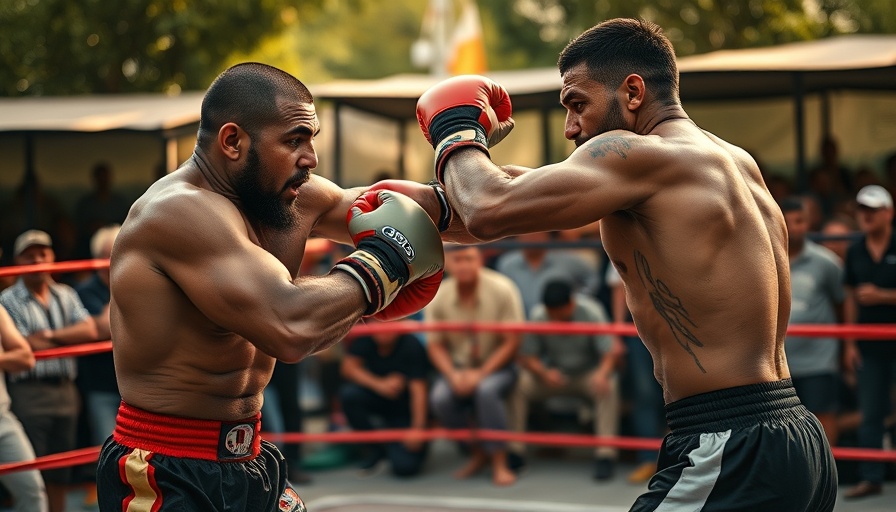
Moraingy martial art recognition scene with two fighters.

The Hidden World of Moraingy: Madagascar's Traditional Combat Art

In a dusty arena under the broad Madagascan sky, athletes bare their feet and wrap their hands with thin fabric, ready to engage in a combat sport that has quietly endured through centuries. This is Moraingy, a martial art that originated on Madagascar's west coast, profoundly steeped in the island's culture and history.

Moraingy's Rich Historical Context and Background

Moraingy dates back to the 17th century, serving not just as a means of physical training, but as a critical initiation rite that marked the transition to adulthood. It was created to prepare young men and women for war, incorporating techniques that are both defensive and combative. Unlike many mainstream martial arts, Moraingy has no formal rules, allowing competitors to express their skills in unrestricted ways. This unique aspect makes it a thrilling spectacle but also raises questions about safety, particularly among younger practitioners.

Why Recognizing Moraingy Matters: Cultural Significance Explored

Recognizing Moraingy as an official combat sport can do wonders for preserving Malagasy culture. In an age where ancient traditions are at risk of fading, martial arts like Moraingy serve as a living timeline for those eager to learn about their heritage. Moreover, having formal recognition could open doors to training, tournaments, and development opportunities that are currently lacking. Imagine a new generation of martial artists proudly showcasing the beauty of their culture through this dynamic sport!

Comparing Moraingy with Popular Martial Arts

While Moraingy shares some techniques with more widely known martial arts such as karate and judo, its lack of formal rules makes it distinct. Unlike karate dojos that focus on structured belting and kata, Moraingy emphasizes free fighting that requires quick thinking and adaptability. As a martial artist, participating in allows one to develop unique tactical skills that are applicable far beyond combat, enhancing critical thinking and problem-solving abilities.

Future Predictions: The Path of Moraingy Ahead

As interest in martial arts continues to grow globally, the future for Moraingy could be bright. Communities are becoming increasingly interested in unique traditions, and with dedicated advocates promoting the art, Moraingy could one day find a prominent place alongside other well-known martial arts. The focus on reaching Olympic status is also a possibility that could bring global recognition and financial support to enhance training facilities and certifications.

Practical Insights for Aspiring Practitioners

For those intrigued to learn Moraingy, engaging at a local dojo or martial arts school that offers beginner classes can be the first step. Understanding its foundations—like practicing basic strikes, footwork, and defense—will aid in learning this complex art. Similarly, resources like training gear and tutorials specific to Moraingy can be beneficial. As seen in other martial arts, partnership drills and sparring will help develop both confidence and skill.

Possible Misconceptions: Breaking Down Common Myths

One common misconception about Moraingy is that it lacks a structured environment for practitioners. While this might be true in informal settings, several training centers have adopted modified rules to ensure safety while maintaining the sport’s essence. With the introduction of training guides and certified instructors focused on Moraingy, practitioners of all ages can learn safely.

Embracing the Art: A Call to Action

The momentum surrounding Moraingy’s quest for recognition is growing, and enthusiasts are encouraged to spread the word. Share this martial art with friends and family, perhaps at a local school like Gruber's Karate, which emphasizes traditional martial arts alongside contemporary training methods. Gurnee's 5 Star Rated Martial Arts School is enrolling new students, making it a perfect opportunity to step into the world of martial arts—Moraingy included!
History & Philosophy

0 Comments

Write A Comment

*
*
Please complete the captcha to submit your comment.
Related Posts All Posts
10.01.2026

Harnessing Power in Karate: Key Concepts from IKS Shotokan

Update Understanding the Core Concepts of IKS Karate The 国際空手道松濤館 (IKS — INTERNATIONAL KARATEDŌ SHŌTŌKAN) embodies principles that diverge greatly from conventional approaches seen in contemporary karate. Through the mentorship of the revered Asai Tetsuhiko Sensei, I’ve learned that karate is not merely about brute strength, but about harnessing the right techniques for generating power. In essence, the IKS system emphasizes a biomechanical understanding that translates into superior efficiency and effectiveness in martial arts. Power Generation: Embracing Relaxation One of the most critical concepts in IKS is 脱力 (Datsuryoku), or the release of muscle tension. In traditional practices, tension is often synonymous with strength; however, IKS practitioners know that this can hinder performance. Maintaining elastic relaxation allows for a smoother transition during techniques. Imagine a rubber band — stretched too tight, it snaps, yet when gently released, it extends much further. Similarly, this relaxed state when executed correctly enhances the explosiveness of strikes, ensuring that the force generated is maximized just at the moment of impact. The Art of Whipping Movement Next, let’s delve into the 鞭の動き (Muchi no ugoki). This concept analogizes the dynamics of a whip, where the entire body contributes to the generation of power in strikes. Rather than relying solely on arm strength, the movement initiates from the feet, flows up through the legs to the hips, and ultimately culminates in a loose, rapid snap of the wrist or foot at the target. For martial artists, mastering this whipping motion is akin to combining grace and strength—yielding speed and controlled authority in every punch or kick. Shifting Your Center of Gravity Another vital principle is the manipulation of the body’s center of gravity, known as 重心の落下と移動 (Jūshin no rakka to idō). Proper combat stances—low and expansive—allow for efficient power generation. By lowering the center of gravity while executing techniques, you effectively employ your entire body weight, generating significant kinetic energy during strikes rather than relying solely on arm strength. This perspective aligns with the intricate understanding of body mechanics that practitioners must command to boost their efficacy in karatedō. Expansion and Contraction: Harnessing Hip Power The physical expansion and contraction of the body during techniques represent an advanced approach. Known as 体の伸縮 (Tai no shinshuku) and 腰の力 (Koshi no chikara), this method underscores the importance of a dynamically engaged torso. The key lies in both the opening and closing of the body’s form: when practitioners expand their torso, they build potential power akin to a coiled spring, which can then be unleashed through explosive contraction to deliver powerful strikes. Mental Synchronization: Cultivating Internal Energy Lastly, the incorporation of mental focus and internal energy—気の養成 (Ki no yōsei)—enhances the efficacy of physical techniques. Achieving harmony in mind, body, and energy creates an explosive impact that is far greater than what muscle strength alone can provide. The 丹田 (tanden), situated in the lower abdomen, is essential in this practice; it is where ki is concentrated and cultivated, leading to more significant energy flow and control during martial execution. Breathing Techniques and Their Role in Karate 呼吸法 (Kokyū-hō), or breathing techniques, are foundational in IKS training. Masters emphasize the importance of deep, abdominal breathing—synchronizing exhalation with movement counters and inhalation with preparation phases. This holistic approach nurtures not just the physical aspect of karate, but it also harmonizes mental focus, making each strike potent and reflective of true martial skill. Why Understanding IKS is Essential for Practitioners For Shotokan practitioners, engaging in these deeper understandings of karate can notably enhance one’s skills and overall martial experience. The traditional karate dojo represents a space where such principles can thrive. Whether you are a budding instructor or a seasoned martial artist, embracing the full IKS methodology can lead to exponential growth both in practice and in deeper personal philosophy. Call to Action: Explore Your Karate Journey! If you’re eager to refine your skills and delve deeper into the art of karate, consider joining IKS Shotokan classes in Gurnee, Illinois. Here, you’ll learn advanced techniques while adhering to traditional philosophies that foster overall well-being and growth. Experience how karate can cultivate resilience, discipline, and holistic health in your life!

09.30.2026

Reflecting on Grand Tuhon Leo T. Gaje Jr.'s Martial Arts Legacy

Update Remembering a Legend: Grand Tuhon Leo T. Gaje Jr. The martial arts community is in mourning as it bids farewell to a true legend, Grand Tuhon Leo T. Gaje Jr. He passed away at the age of 88, leaving behind a legacy that transcends mere accolades and titles. Born in the Philippines in 1938, Gaje was more than just a martial arts instructor; he was a vital part of the history of modern Filipino martial arts and a global ambassador for Pekiti-Tirsia Kali. A Life Dedicated to Martial Arts Gaje's journey in martial arts began at a young age, driven by the traditional Filipino values of discipline, respect, and community. His passion for martial arts was ignited by witnessing the effectiveness of Pekiti-Tirsia Kali in real-life situations, which motivated him to pursue mastery in this ancient art form. Throughout his life, Gaje was dedicated to sharing the principles that guided him—not just the techniques but the underlying philosophy of martial arts. His teachings resonate deeply with a diverse audience—from aspiring young martial artists in Gurnee seeking local karate instruction to parents searching for youth karate programs. Under Gaje's influence, students learned the importance of martial arts as a tool for self-defense, physical fitness, and confidence-building. Parents often noted how their children grew more disciplined and focused after engaging in martial arts training, illustrating the holistic benefits of the practice. The Essence of Pekiti-Tirsia Kali Pekiti-Tirsia Kali is recognized as one of the oldest forms of Filipino martial art, focusing on hand-to-hand combat, bladed weapons, and stick fighting. Gaje's commitment to this discipline shaped his life’s work, elevating Pekiti-Tirsia Kali to international prominence. He meticulously preserved the techniques passed down through generations while adapting them for modern practitioners. His ability to articulate complex techniques in an accessible manner bridged the gap between expert practitioners and novice students alike, making martial arts approachable for everyone. Moreover, Gaje emphasized the importance of adaptability within Pekiti-Tirsia Kali, teaching that martial arts must evolve with the times to stay relevant. This focus on adaptability not only enhanced individual practitioners' abilities but also deepened their understanding of self-defense in a variety of situations—whether on the streets or during competitions. Community Influence and Local Growth Reflecting on Gaje's passing, many in the martial arts community express gratitude for his unwavering dedication. His influence extends to local karate education facilities in Gurnee, where students of all ages can benefit from his teachings. Many local dojos have reported an increase in interest in karate classes since his passing, highlighting a durable legacy that inspires martial arts engagement. The demand for youth karate programs in Gurnee continues to grow, showing how Gaje's legacy motivates families to enroll their children in martial arts classes. In response to the influx of new students, dojo owners and instructors are stepping up to fill the void left by Gaje, prioritizing quality instruction and promoting self-defense lessons for adults in Gurnee. This not only ensures that the community remains engaged but also empowers individuals to protect themselves and feel confident in their abilities. The Importance of Training and Legacy For students wanting to continue the tradition of Pekiti-Tirsia Kali, Gaje's teachings provide not just techniques but contextual understanding that fosters a solid training methodology. His approach is a reminder that martial arts are not just about physical prowess but also about cultivating a mindset geared towards resilience and perseverance. Many practitioners recall how Gaje encouraged them to push through challenges, whether in the dojo or in their personal lives, reminding them of the strength that comes from determination. With various karate workshops near Gurnee, aspiring martial artists can immerse themselves in the principles that Gaje so passionately taught. The recent rise in adult defense training classes is a testament to the need for practical self-defense skills, reflecting the community's responsiveness to current events that emphasize personal safety. Many individuals, inspired by Gaje's teachings, are now seeking ways to protect not only themselves but also their loved ones in an increasingly uncertain world. Preserving His Memory Through Practice While the loss of Grand Tuhon Leo T. Gaje Jr. leaves a significant gap, his teachings will live on through the practices and advancements of those he trained. It is up to the current generation of martial artists to carry forward his legacy, ensuring that the values and skills he imparted continue to thrive. Whether through martial discipline progressions or engaging in local self-defense gear programs, practitioners are encouraged to uphold the standards of excellence Gaje embodied. Community efforts to organize memorial tournaments and training sessions in his honor are already being planned, fostering camaraderie and dedication to his teachings. Conclusion Grand Tuhon Leo T. Gaje Jr.'s impact on martial arts is immeasurable. His legacy will inspire generations of martial artists, contributing to the ongoing practice of self-defense and fitness throughout Gurnee and beyond. As we remember him, let us engage in the spirit of martial arts, seeking instruction at local karate training centers and participating in community programs. This commitment not only honors Gaje's memory but also fosters resilience within ourselves and our communities. To find local karate instruction in Gurnee that continues the legacy of Grand Tuhon Leo T. Gaje Jr., explore youth karate programs and adult self-defense classes that promote well-being and personal safety. Your journey in martial arts awaits—let's keep his spirit alive! In honor of Gaje's contributions, consider joining a class today, where you can learn and grow in a community that values discipline, respect, and the rich history of martial arts.

09.24.2026

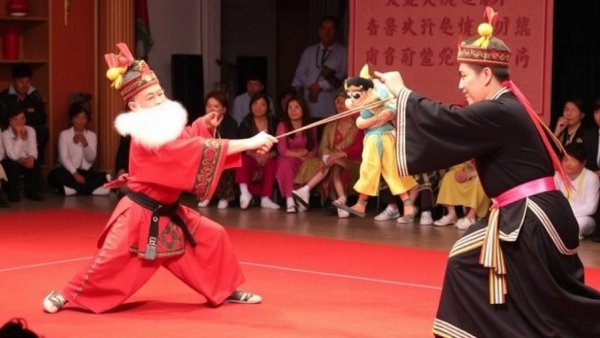
How Traditional Martial Arts and Puppet Shows Foster Cultural Heritage

Update Bringing Cambodian Heritage to Life In Siem Reap, the beauty of Cambodia's cultural traditions is taking center stage with a unique pop-up show featuring the ancient martial art known as Kun Lbokator and the fascinating puppet theatre of Lkhon Sbek Thom. This educational event not only entertains but also serves as a deep dive into the rich history and craftsmanship of Cambodian culture. Attending such events is an incredible opportunity for families and communities to experience Cambodia's heritage firsthand, transforming the learning experience into an unforgettable adventure for all ages. The Art of Kun Lbokator: More Than Just Fighting Kun Lbokator, often hailed as the traditional Cambodian martial art, is a dynamic blend of various techniques that includes striking, grappling, and self-defense methods. Practitioners often emphasize agility and rhythm, illustrating how combat techniques can be graceful and powerful. Unique to Kun Lbokator is its use of animal-inspired movements, which reflect different characteristics and strategies in combat, making it both beautiful and effective. Events like the cultural show create dramatic displays that showcase these skills, attracting the attention of young martial artists and fitness enthusiasts alike. Children enrolled in martial arts schools can look forward to incorporating aspects of Kun Lbokator into their training, encouraging them to appreciate not just the physicality but also the artistry involved in martial arts. Lkhon Sbek Thom: The Puppet Show Magic The artistry of Lkhon Sbek Thom is another highlight of the Siem Reap event. This traditional puppet show tells stories from Cambodian mythology and history, captivating audiences with intricate puppetry and narratives. The puppeteers skillfully maneuver the shadows, bringing to life mythical creatures and heroes, and each performance communicates lessons and morals inherent in Cambodian culture. This form of entertainment not only reflects the country’s artistic talents but also serves as a tool for cultural education, combining art with history. Families can share this experience together, reinforcing the importance of cultural heritage in modern society. As children watch these mesmerizing performances, they are drawn into a world that celebrates storytelling and artistic expression, intertwining with their own understanding of their cultural backdrop. The Role of Cultural Preservation in Martial Arts Engaging in traditional arts like Kun Lbokator and Lkhon Sbek Thom helps preserve the unique cultural tapestry of Cambodia. For families and children interested in martial arts, these practices are gateways to understanding the historical context of their training. It also invites a deeper appreciation of their own martial arts, whether practiced through karate, judo, or taekwondo. Local karate dojos in Gurnee can consider integrating cultural education into their curriculums, allowing youth karate programs in Gurnee to embrace not only the physical aspects but also the philosophies behind martial arts globally. By encouraging martial arts students to explore traditional techniques and their cultural significance, instructors can provide a more enriching and contextually aware training environment. Connecting to Local Martial Arts Communities For those intrigued by learning martial arts, connecting with local karate education facilities in Gurnee can lead to enriching experiences. Organizations offering classes for beginners and youth karate instruction in Gurnee provide platforms that echo the values of discipline and respect, much like the traditions seen in Kun Lbokator. It’s essential for parents to explore karate workshops near Gurnee that include cultural elements, which may encourage a deeper appreciation of the discipline. Engaging in local events can expand students' knowledge and possibly even spark their interest in participating in cultural showcases or demonstrations. Connecting with fellow martial artists helps create a supportive environment that reinforces the dedication required for advancement in their martial arts journey. Why Cultural Heritage in Martial Arts Matters Understanding the cultural roots of martial arts increases appreciation for the techniques taught in karate dojos in Gurnee and beyond. Each technique has a history that informs its application, and knowing where these practices come from can lead students to a more profound respect for their training. By incorporating exercises that explore various fighting arts, students can broaden their horizons and grasp the philosophical principles that define many combat sports. This melding of tradition with modern training can enhance one’s martial journey and promote a more comprehensive understanding of combat arts. Additionally, it allows practitioners to draw parallels between their art and the broader spectrum of martial traditions, enriching their overall perspective. Getting Involved: Opportunities in Gurnee In Gurnee, families can engage with martial arts through various offerings—ranging from adult self-defense classes to youth programs. These classes not only focus on the physical aspects of martial arts but also aim to instill important life skills such as confidence, teamwork, and perseverance. For those looking to buy martial arts uniforms or combat gear essentials in Gurnee, local vendors often provide the necessary equipment to start or enhance their training experience. Family self-defense activities in Gurnee can also educate and prepare individuals of all ages to protect themselves confidently, reinforcing community safety and personal empowerment. Local events, including martial arts demonstrations and cultural exchanges, offer ways for families to get involved together, making for fun and engaging family outings. Conclusion: Embrace the Heritage Every martial artist, whether a child or an adult, has the potential to enrich their practice by exploring the cultural histories behind their art forms. Events like the Siem Reap pop-up show serve as great reminders to appreciate the vastness of martial arts and encourage practitioners to delve into diverse cultures. Taking the time to understand the historical context of training allows individuals to form a deeper connection to their practice. Whether you’re a beginner in Gurnee or an experienced martial artist, embrace the opportunity to broaden your knowledge and skill set. Explore local karate offerings, find ways to incorporate cultural elements, and ignite a passion for these timeless traditions.

THE KARATE EDGE

Karate Edge offers expert karate news, training tips, self-defense strategies & gear insights. Your go-to martial arts media hub. 

CONTACT US

+1 352-266-0499

ADDRESS

PO Box 772 Muskegon, MI 49443

ABOUT US

The Karate Edge is a premier digital media hub dedicated to karate enthusiasts, competitors, and practitioners of all levels. The channel delivers high-quality content covering industry news, training methodologies, self-defense strategies, biomechanics, and dojo culture.

© 2026 Gruber's Karate All Rights Reserved. 5725 Stearns School Rd, Gurnee, IL 60031, USA, Gurnee, IL 60031 . Contact Us . Terms of Service . Privacy Policy

eyJjb21wYW55IjoiR3J1YmVyJ3MgS2FyYXRlIiwiYWRkcmVzcyI6IjU3MjUgU3RlYXJucyBTY2hvb2wgUmQsIEd1cm5lZSwgSUwgNjAwMzEsIFVTQSIsImNpdHkiOiJHdXJuZWUiLCJzdGF0ZSI6IklMIiwiemlwIjoiNjAwMzEiLCJlbWFpbCI6IlNlbnNlaUBHcnViZXJzS2FyYXRlLmNvbSIsInRvcyI6IlBIQStQSE4wY205dVp6NDhaVzArVjJobGJpQjViM1VnYzJsbmJpMXBiaUIzYVhSb0lIVnpMQ0I1YjNVZ1lYSmxJR2RwZG1sdVp5WnVZbk53T3lCNWIzVnlJSEJsY20xcGMzTnBiMjRnWVc1a0lHTnZibk5sYm5RZ2RHOGdjMlZ1WkNCNWIzVWdaVzFoYVd3Z1lXNWtMMjl5SUZOTlV5QjBaWGgwSUcxbGMzTmhaMlZ6TGlCQ2VTQmphR1ZqYTJsdVp5QjBhR1VnVkdWeWJYTWdZVzVrSUVOdmJtUnBkR2x2Ym5NZ1ltOTRJR0Z1WkNCaWVTQnphV2R1YVc1bklHbHVJSGx2ZFNCaGRYUnZiV0YwYVdOaGJHeDVJR052Ym1acGNtMGdkR2hoZENCNWIzVWdZV05qWlhCMElHRnNiQ0IwWlhKdGN5QnBiaUIwYUdseklHRm5jbVZsYldWdWRDNDhMMlZ0UGp3dmMzUnliMjVuUGp3dmNENEtDanh3UGp4aElHaHlaV1k5SW1oMGRIQTZMeTkzZDNjdVoyOXZaMnhsTG1OdmJTSSthSFIwY0RvdkwzZDNkeTVuYjI5bmJHVXVZMjl0UEM5aFBqd3ZjRDRLQ2p4d1BpWnVZbk53T3p3dmNENEtDanh3UGp4emRISnZibWMrVTBWU1ZrbERSVHd2YzNSeWIyNW5Qand2Y0Q0S0NqeHdQbGRsSUhCeWIzWnBaR1VnWVNCelpYSjJhV05sSUhSb1lYUWdZM1Z5Y21WdWRHeDVJR0ZzYkc5M2N5QjViM1VnZEc4Z2NtVmpaV2wyWlNCeVpYRjFaWE4wY3lCbWIzSWdabVZsWkdKaFkyc3NJR052YlhCaGJua2dhVzVtYjNKdFlYUnBiMjRzSUhCeWIyMXZkR2x2Ym1Gc0lHbHVabTl5YldGMGFXOXVMQ0JqYjIxd1lXNTVJR0ZzWlhKMGN5d2dZMjkxY0c5dWN5d2daR2x6WTI5MWJuUnpJR0Z1WkNCdmRHaGxjaUJ1YjNScFptbGpZWFJwYjI1eklIUnZJSGx2ZFhJZ1pXMWhhV3dnWVdSa2NtVnpjeUJoYm1RdmIzSWdZMlZzYkhWc1lYSWdjR2h2Ym1VZ2IzSWdaR1YyYVdObExpQlpiM1VnZFc1a1pYSnpkR0Z1WkNCaGJtUWdZV2R5WldVZ2RHaGhkQ0IwYUdVZ1UyVnlkbWxqWlNCcGN5QndjbTkyYVdSbFpDQW1jWFZ2ZER0QlV5MUpVeVp4ZFc5ME95QmhibVFnZEdoaGRDQjNaU0JoYzNOMWJXVWdibThnY21WemNHOXVjMmxpYVd4cGRIa2dabTl5SUhSb1pTQjBhVzFsYkdsdVpYTnpMQ0JrWld4bGRHbHZiaXdnYldsekxXUmxiR2wyWlhKNUlHOXlJR1poYVd4MWNtVWdkRzhnYzNSdmNtVWdZVzU1SUhWelpYSWdZMjl0YlhWdWFXTmhkR2x2Ym5NZ2IzSWdjR1Z5YzI5dVlXeHBlbUYwYVc5dUlITmxkSFJwYm1kekxqd3ZjRDRLQ2p4d1BsbHZkU0JoY21VZ2NtVnpjRzl1YzJsaWJHVWdabTl5SUc5aWRHRnBibWx1WnlCaFkyTmxjM01nZEc4Z2RHaGxJRk5sY25acFkyVWdZVzVrSUhSb1lYUWdZV05qWlhOeklHMWhlU0JwYm5admJIWmxJSFJvYVhKa0lIQmhjblI1SUdabFpYTWdLSE4xWTJnZ1lYTWdVMDFUSUhSbGVIUWdiV1Z6YzJGblpYTXNJRWx1ZEdWeWJtVjBJSE5sY25acFkyVWdjSEp2ZG1sa1pYSWdiM0lnWTJWc2JIVnNZWElnWVdseWRHbHRaU0JqYUdGeVoyVnpLUzRnV1c5MUlHRnlaU0J5WlhOd2IyNXphV0pzWlNCbWIzSWdkR2h2YzJVZ1ptVmxjeXdnYVc1amJIVmthVzVuSUhSb2IzTmxJR1psWlhNZ1lYTnpiMk5wWVhSbFpDQjNhWFJvSUhSb1pTQmthWE53YkdGNUlHOXlJR1JsYkdsMlpYSjVJRzltSUdWaFkyZ2dVMDFUSUhSbGVIUWdiV1Z6YzJGblpTQnpaVzUwSUhSdklIbHZkU0JpZVNCMWN5NGdTVzRnWVdSa2FYUnBiMjRzSUhsdmRTQnRkWE4wSUhCeWIzWnBaR1VnWVc1a0lHRnlaU0J5WlhOd2IyNXphV0pzWlNCbWIzSWdZV3hzSUdWeGRXbHdiV1Z1ZENCdVpXTmxjM05oY25rZ2RHOGdZV05qWlhOeklIUm9aU0JUWlhKMmFXTmxJR0Z1WkNCeVpXTmxhWFpsSUhSb1pTQlRUVk1nZEdWNGRDQnRaWE56WVdkbGN5NGdWMlVnWkc4Z2JtOTBJR05vWVhKblpTQmhibmtnWm1WbGN5Qm1iM0lnWkdWc2FYWmxjbmtnYjJZZ1pXMWhhV3dnYjNJZ1UwMVRMaUJVYUdseklHbHpJR0VnWm5KbFpTQnpaWEoyYVdObElIQnliM1pwWkdWa0lHSjVJSFZ6TGlCSWIzZGxkbVZ5TENCd2JHVmhjMlVnWTJobFkyc2dkMmwwYUNCNWIzVnlJR2x1ZEdWeWJtVjBJSE5sY25acFkyVWdjSEp2ZG1sa1pYSWdZVzVrSUdObGJHeDFiR0Z5SUdOaGNuSnBaWElnWm05eUlHRnVlU0JqYUdGeVoyVnpJSFJvWVhRZ2JXRjVJR2x1WTNWeUlHRnpJR0VnY21WemRXeDBJR1p5YjIwZ2NtVmpaV2wyYVc1bklHVnRZV2xzSUdGdVpDQlRUVk1nZEdWNGRDQnRaWE56WVdkbGN5QjBhR0YwSUhkbElHUmxiR2wyWlhJZ2RYQnZiaUI1YjNWeUlHOXdkQzFwYmlCaGJtUWdjbVZuYVhOMGNtRjBhVzl1SUhkcGRHZ2diM1Z5SUdWdFlXbHNJR0Z1WkNCVFRWTWdjMlZ5ZG1salpYTXVJRmx2ZFNCallXNGdZMkZ1WTJWc0lHRjBJR0Z1ZVNCMGFXMWxMaUJLZFhOMElIUmxlSFFnSm5GMWIzUTdVMVJQVUNaeGRXOTBPeUIwYnladVluTndPenhvYVdkb2JHbG5hSFFnWTJ4aGMzTTlJbU52YlhCaGJubFRUVk5RYUc5dVpWVndaR0YwWlNJK2JuVnNiRHd2YUdsbmFHeHBaMmgwUGk0Z1FXWjBaWElnZVc5MUlITmxibVFnZEdobElGTk5VeUJ0WlhOellXZGxJQ1p4ZFc5ME8xTlVUMUFtY1hWdmREc2dkRzhnZFhNc0lIZGxJSGRwYkd3Z2MyVnVaQ0I1YjNVZ1lXNGdVMDFUSUcxbGMzTmhaMlVnZEc4Z1kyOXVabWx5YlNCMGFHRjBJSGx2ZFNCb1lYWmxJR0psWlc0Z2RXNXpkV0p6WTNKcFltVmtMaUJCWm5SbGNpQjBhR2x6TENCNWIzVWdkMmxzYkNCdWJ5QnNiMjVuWlhJZ2NtVmpaV2wyWlNCVFRWTWdiV1Z6YzJGblpYTWdabkp2YlNCMWN5NDhMM0ErQ2dvOGNENDhjM1J5YjI1blBsbFBWVklnVWtWSFNWTlVVa0ZVU1U5T0lFOUNURWxIUVZSSlQwNVRQQzl6ZEhKdmJtYytQQzl3UGdvS1BIQStTVzRnWTI5dWMybGtaWEpoZEdsdmJpQnZaaUI1YjNWeUlIVnpaU0J2WmlCMGFHVWdVMlZ5ZG1salpTd2dlVzkxSUdGbmNtVmxJSFJ2T2p3dmNENEtDanh2YkQ0S0NUeHNhVDV3Y205MmFXUmxJSFJ5ZFdVc0lHRmpZM1Z5WVhSbExDQmpkWEp5Wlc1MElHRnVaQ0JqYjIxd2JHVjBaU0JwYm1admNtMWhkR2x2YmlCaFltOTFkQ0I1YjNWeWMyVnNaaUJoY3lCd2NtOXRjSFJsWkNCaWVTQjBhR1VnVTJWeWRtbGpaU1lqTXprN2N5QnlaV2RwYzNSeVlYUnBiMjRnWm05eWJTQW9jM1ZqYUNCcGJtWnZjbTFoZEdsdmJpQmlaV2x1WnlCMGFHVWdKbkYxYjNRN1VtVm5hWE4wY21GMGFXOXVJRVJoZEdFbWNYVnZkRHNwSUdGdVpEd3ZiR2srQ2drOGJHaytiV0ZwYm5SaGFXNGdZVzVrSUhCeWIyMXdkR3g1SUhWd1pHRjBaU0IwYUdVZ1VtVm5hWE4wY21GMGFXOXVJRVJoZEdFZ2RHOGdhMlZsY0NCcGRDQjBjblZsTENCaFkyTjFjbUYwWlN3Z1kzVnljbVZ1ZENCaGJtUWdZMjl0Y0d4bGRHVXVJRWxtSUhsdmRTQndjbTkyYVdSbElHRnVlU0JwYm1admNtMWhkR2x2YmlCMGFHRjBJR2x6SUhWdWRISjFaU3dnYVc1aFkyTjFjbUYwWlN3Z2JtOTBJR04xY25KbGJuUWdiM0lnYVc1amIyMXdiR1YwWlN3Z2IzSWdkMlVnYUdGMlpTQnlaV0Z6YjI1aFlteGxJR2R5YjNWdVpITWdkRzhnYzNWemNHVmpkQ0IwYUdGMElITjFZMmdnYVc1bWIzSnRZWFJwYjI0Z2FYTWdkVzUwY25WbExDQnBibUZqWTNWeVlYUmxMQ0J1YjNRZ1kzVnljbVZ1ZENCdmNpQnBibU52YlhCc1pYUmxMQ0IzWlNCb1lYWmxJSFJvWlNCeWFXZG9kQ0IwYnlCemRYTndaVzVrSUc5eUlEeHpkSEp2Ym1jK1BITndZVzRnYzNSNWJHVTlJbU52Ykc5eU9pTkdSakF3TURBN0lqNTBaWEp0YVc1aGRHVWdlVzkxY2lCaFkyTnZkVzUwTDNCeWIyWnBiR1VnWVc1a0lISmxablZ6WlNCaGJua2dZVzVrSUdGc2JDQmpkWEp5Wlc1MElHOXlJR1oxZEhWeVpTQjFjMlVnYjJZZ2RHaGxJRk5sY25acFkyVWdLRzl5SUdGdWVTQndiM0owYVc5dUlIUm9aWEpsYjJZcExqd3ZjM0JoYmo0OEwzTjBjbTl1Wno0OEwyeHBQZ284TDI5c1Bnb0tQSEErSm01aWMzQTdQQzl3UGdvOGFHbG5hR3hwWjJoMElHTnNZWE56UFNKamIyMXdZVzU1VG1GdFpWVndaR0YwWlNJK1IzSjFZbVZ5SmlNek9UdHpJRXRoY21GMFpUd3ZhR2xuYUd4cFoyaDBQanhpY2lBdlBnbzhhR2xuYUd4cFoyaDBJR05zWVhOelBTSmpiMjF3WVc1NVFXUmtjbVZ6YzFWd1pHRjBaU0krTlRjeU5TQlRkR1ZoY201eklGTmphRzl2YkNCU1pDd2dSM1Z5Ym1WbExDQkpUQ0EyTURBek1Td2dWVk5CTENCSGRYSnVaV1VzSUVsTUlEWXdNRE14UEM5b2FXZG9iR2xuYUhRK1BHSnlJQzgrQ2p4b2FXZG9iR2xuYUhRZ1kyeGhjM005SW1OdmJYQmhibmxRYUc5dVpWVndaR0YwWlNJK0t6RXlNalF6TkRjMk5qVTFQQzlvYVdkb2JHbG5hSFErUEdKeUlDOCtDanhvYVdkb2JHbG5hSFFnWTJ4aGMzTTlJbU52YlhCaGJubEZiV0ZwYkZWd1pHRjBaU0krVTJWdWMyVnBRRWR5ZFdKbGNuTkxZWEpoZEdVdVkyOXRQQzlvYVdkb2JHbG5hSFErIiwicHJpdmFjeSI6IlBIQStQSE4wY205dVp6NVFVa2xXUVVOWlBDOXpkSEp2Ym1jK1BDOXdQZ29LUEhBK1BITjBjbTl1Wno1VWFHVWdhVzVtYjNKdFlYUnBiMjRnY0hKdmRtbGtaV1FnWkhWeWFXNW5JSFJvYVhNZ2NtVm5hWE4wY21GMGFXOXVJR2x6SUd0bGNIUWdjSEpwZG1GMFpTQmhibVFnWTI5dVptbGtaVzUwYVdGc0xDQmhibVFnZDJsc2JDQnVaWFpsY2lCaVpTQmthWE4wY21saWRYUmxaQ3dnWTI5d2FXVmtMQ0J6YjJ4a0xDQjBjbUZrWldRZ2IzSWdjRzl6ZEdWa0lHbHVJR0Z1ZVNCM1lYa3NJSE5vWVhCbElHOXlJR1p2Y20wdUlGUm9hWE1nYVhNZ2IzVnlJR2QxWVhKaGJuUmxaUzQ4TDNOMGNtOXVaejQ4TDNBK0NnbzhjRDQ4YzNSeWIyNW5Qa2xPUkVWTlRrbFVXVHd2YzNSeWIyNW5Qand2Y0Q0S0NqeHdQanhsYlQ1WmIzVWdZV2R5WldVZ2RHOGdhVzVrWlcxdWFXWjVJR0Z1WkNCb2IyeGtJSFZ6TENCaGJtUWdhWFJ6SUhOMVluTnBaR2xoY21sbGN5d2dZV1ptYVd4cFlYUmxjeXdnYjJabWFXTmxjbk1zSUdGblpXNTBjeXdnWTI4dFluSmhibVJsY25NZ2IzSWdiM1JvWlhJZ2NHRnlkRzVsY25Nc0lHRnVaQ0JsYlhCc2IzbGxaWE1zSUdoaGNtMXNaWE56SUdaeWIyMGdZVzU1SUdOc1lXbHRJRzl5SUdSbGJXRnVaQ3dnYVc1amJIVmthVzVuSUhKbFlYTnZibUZpYkdVZ1lYUjBiM0p1WlhsekppTXpPVHNnWm1WbGN5d2diV0ZrWlNCaWVTQmhibmtnZEdocGNtUWdjR0Z5ZEhrZ1pIVmxJSFJ2SUc5eUlHRnlhWE5wYm1jZ2IzVjBJRzltSUVOdmJuUmxiblFnZVc5MUlISmxZMlZwZG1Vc0lITjFZbTFwZEN3Z2NtVndiSGtzSUhCdmMzUXNJSFJ5WVc1emJXbDBJRzl5SUcxaGEyVWdZWFpoYVd4aFlteGxJSFJvY205MVoyZ2dkR2hsSUZObGNuWnBZMlVzSUhsdmRYSWdkWE5sSUc5bUlIUm9aU0JUWlhKMmFXTmxMQ0I1YjNWeUlHTnZibTVsWTNScGIyNGdkRzhnZEdobElGTmxjblpwWTJVc0lIbHZkWElnZG1sdmJHRjBhVzl1SUc5bUlIUm9aU0JVVDFNc0lHOXlJSGx2ZFhJZ2RtbHZiR0YwYVc5dUlHOW1JR0Z1ZVNCeWFXZG9kSE1nYjJZZ1lXNXZkR2hsY2k0OEwyVnRQand2Y0Q0S0NqeHdQanh6ZEhKdmJtYytSRWxUUTB4QlNVMUZVaUJQUmlCWFFWSlNRVTVVU1VWVFBDOXpkSEp2Ym1jK1BDOXdQZ29LUEhBK1BITjBjbTl1Wno1WlQxVWdSVmhRVWtWVFUweFpJRlZPUkVWU1UxUkJUa1FnUVU1RUlFRkhVa1ZGSUZSSVFWUTZQQzl6ZEhKdmJtYytQQzl3UGdvS1BHOXNQZ29KUEd4cFBsbFBWVklnVlZORklFOUdJRlJJUlNCVFJWSldTVU5GSUVsVElFRlVJRmxQVlZJZ1UwOU1SU0JTU1ZOTExpQlVTRVVnVTBWU1ZrbERSU0JKVXlCUVVrOVdTVVJGUkNCUFRpQkJUaUFtY1hWdmREdEJVeUJKVXlaeGRXOTBPeUJCVGtRZ0puRjFiM1E3UVZNZ1FWWkJTVXhCUWt4RkpuRjFiM1E3SUVKQlUwbFRMaUFzTGlCQlRrUWdWVk1zSUVsVUppTXpPVHRUSUVOVlUxUlBUVVZTVXl3Z1JWaFFVa1ZUVTB4WklFUkpVME5NUVVsTlV5QkJURXdnVjBGU1VrRk9WRWxGVXlCUFJpQkJUbGtnUzBsT1JDd2dWMGhGVkVoRlVpQkZXRkJTUlZOVElFOVNJRWxOVUV4SlJVUXNJRWxPUTB4VlJFbE9SeXdnUWxWVUlFNVBWQ0JNU1UxSlZFVkVJRlJQSUZSSVJTQkpUVkJNU1VWRUlGZEJVbEpCVGxSSlJWTWdUMFlnVFVWU1EwaEJUbFJCUWtsTVNWUlpMQ0JHU1ZST1JWTlRJRVpQVWlCQklGQkJVbFJKUTFWTVFWSWdVRlZTVUU5VFJTQkJUa1FnVGs5T0xVbE9SbEpKVGtkRlRVVk9WQzQ4TDJ4cFBnb0pQR3hwUGsxQlMwVlRJRTVQSUZkQlVsSkJUbFJaSUZSSVFWUWdLR2twSUZSSVJTQlRSVkpXU1VORklGZEpURXdnVFVWRlZDQlpUMVZTSUZKRlVWVkpVa1ZOUlU1VVV5d2dLR2xwS1NCVVNFVWdVMFZTVmtsRFJTQlhTVXhNSUVKRklGVk9TVTVVUlZKU1ZWQlVSVVFzSUZSSlRVVk1XU3dnVTBWRFZWSkZMQ0JQVWlCRlVsSlBVaTFHVWtWRkxDQW9hV2xwS1NCVVNFVWdVa1ZUVlV4VVV5QlVTRUZVSUUxQldTQkNSU0JQUWxSQlNVNUZSQ0JHVWs5TklGUklSU0JWVTBVZ1QwWWdWRWhGSUZORlVsWkpRMFVnVjBsTVRDQkNSU0JCUTBOVlVrRlVSU0JQVWlCU1JVeEpRVUpNUlN3Z1FVNUVJQ2hwZGlrZ1FVNVpJRVZTVWs5U1V5QkpUaUJVU0VVZ1UwOUdWRmRCVWtVZ1YwbE1UQ0JDUlNCRFQxSlNSVU5VUlVRdVBDOXNhVDRLQ1R4c2FUNUJUbGtnVFVGVVJWSkpRVXdnUkU5WFRreFBRVVJGUkNCUFVpQlBWRWhGVWxkSlUwVWdUMEpVUVVsT1JVUWdWRWhTVDFWSFNDQlVTRVVnVlZORklFOUdJRlJJUlNCVFJWSldTVU5GSUVsVElFUlBUa1VnUVZRZ1dVOVZVaUJQVjA0Z1JFbFRRMUpGVkVsUFRpQkJUa1FnVWtsVFN5QkJUa1FnVkVoQlZDQlpUMVVnVjBsTVRDQkNSU0JUVDB4RlRGa2dVa1ZUVUU5T1UwbENURVVnUms5U0lFRk9XU0JFUVUxQlIwVWdWRThnV1U5VlVpQkRUMDFRVlZSRlVpQlRXVk5VUlUwZ1QxSWdURTlUVXlCUFJpQkVRVlJCSUZSSVFWUWdVa1ZUVlV4VVV5QkdVazlOSUZSSVJTQkVUMWRPVEU5QlJDQlBSaUJCVGxrZ1UxVkRTQ0JOUVZSRlVrbEJUQzQ4TDJ4cFBnb0pQR3hwUGs1UElFRkVWa2xEUlNCUFVpQkpUa1pQVWsxQlZFbFBUaXdnVjBoRlZFaEZVaUJQVWtGTUlFOVNJRmRTU1ZSVVJVNHNJRTlDVkVGSlRrVkVJRUpaSUZsUFZTQkdVazlOSUU5U0lGUklVazlWUjBnZ1QxSWdSbEpQVFNCVVNFVWdVMFZTVmtsRFJTQlRTRUZNVENCRFVrVkJWRVVnUVU1WklGZEJVbEpCVGxSWklFNVBWQ0JGV0ZCU1JWTlRURmtnVTFSQlZFVkVJRWxPSUZSSVJTQlVUMU11UEM5c2FUNEtQQzl2YkQ0S0NqeHdQanh6ZEhKdmJtYytURWxOU1ZSQlZFbFBUaUJQUmlCTVNVRkNTVXhKVkZrOEwzTjBjbTl1Wno0OEwzQStDZ284Y0Q1WlQxVWdSVmhRVWtWVFUweFpJRlZPUkVWU1UxUkJUa1FnUVU1RUlFRkhVa1ZGSUZSSVFWUWdRVTVFSUZOSVFVeE1JRTVQVkNCQ1JTQk1TVUZDVEVVZ1JrOVNJRUZPV1NCRVNWSkZRMVFzSUVsT1JFbFNSVU5VTENCSlRrTkpSRVZPVkVGTUxDQlRVRVZEU1VGTUxDQkRUMDVUUlZGVlJVNVVTVUZNSUU5U0lFVllSVTFRVEVGU1dTQkVRVTFCUjBWVExDQkpUa05NVlVSSlRrY2dRbFZVSUU1UFZDQk1TVTFKVkVWRUlGUlBMQ0JFUVUxQlIwVlRJRVpQVWlCTVQxTlRJRTlHSUZCU1QwWkpWRk1zSUVkUFQwUlhTVXhNTENCVlUwVXNJRVJCVkVFZ1QxSWdUMVJJUlZJZ1NVNVVRVTVIU1VKTVJTQk1UMU5UUlZNZ0tFVldSVTRnU1VZZ1NFRlRJRUpGUlU0Z1FVUldTVk5GUkNCUFJpQlVTRVVnVUU5VFUwbENTVXhKVkZrZ1QwWWdVMVZEU0NCRVFVMUJSMFZUS1N3Z1VrVlRWVXhVU1U1SElFWlNUMDA2UEM5d1Bnb0tQRzlzUGdvSlBHeHBQbFJJUlNCVlUwVWdUMUlnVkVoRklFbE9RVUpKVEVsVVdTQlVUeUJWVTBVZ1ZFaEZJRk5GVWxaSlEwVTdQQzlzYVQ0S0NUeHNhVDVVU0VVZ1EwOVRWQ0JQUmlCUVVrOURWVkpGVFVWT1ZDQlBSaUJUVlVKVFZFbFVWVlJGSUVkUFQwUlRJRUZPUkNCVFJWSldTVU5GVXlCU1JWTlZURlJKVGtjZ1JsSlBUU0JCVGxrZ1IwOVBSRk1zSUVSQlZFRXNJRWxPUms5U1RVRlVTVTlPSUU5U0lGTkZVbFpKUTBWVElGQlZVa05JUVZORlJDQlBVaUJQUWxSQlNVNUZSQ0JQVWlCTlJWTlRRVWRGVXlCU1JVTkZTVlpGUkNCUFVpQlVVa0ZPVTBGRFZFbFBUbE1nUlU1VVJWSkZSQ0JKVGxSUElGUklVazlWUjBnZ1QxSWdSbEpQVFNCVVNFVWdVMFZTVmtsRFJUczhMMnhwUGdvSlBHeHBQbFZPUVZWVVNFOVNTVnBGUkNCQlEwTkZVMU1nVkU4Z1QxSWdRVXhVUlZKQlZFbFBUaUJQUmlCWlQxVlNJRlJTUVU1VFRVbFRVMGxQVGxNZ1QxSWdSRUZVUVRzOEwyeHBQZ29KUEd4cFBsTlVRVlJGVFVWT1ZGTWdUMUlnUTA5T1JGVkRWQ0JQUmlCQlRsa2dWRWhKVWtRZ1VFRlNWRmtnVDA0Z1ZFaEZJRk5GVWxaSlEwVTdJRTlTUEM5c2FUNEtDVHhzYVQ1QlRsa2dUMVJJUlZJZ1RVRlVWRVZTSUZKRlRFRlVTVTVISUZSUElGUklSU0JUUlZKV1NVTkZMand2YkdrK0Nqd3ZiMncrQ2dvOGNENDhkVDVDZVNCeVpXZHBjM1JsY21sdVp5QmhibVFnYzNWaWMyTnlhV0pwYm1jZ2RHOGdiM1Z5SUdWdFlXbHNJR0Z1WkNCVFRWTWdjMlZ5ZG1salpTd2dZbmtnYjNCMExXbHVMQ0J2Ym14cGJtVWdjbVZuYVhOMGNtRjBhVzl1SUc5eUlHSjVJR1pwYkd4cGJtY2diM1YwSUdFZ1kyRnlaQ3dnSm5GMWIzUTdlVzkxSUdGbmNtVmxJSFJ2SUhSb1pYTmxJRlJGVWsxVElFOUdJRk5GVWxaSlEwVW1jWFZ2ZERzZ1lXNWtJSGx2ZFNCaFkydHViM2RzWldSblpTQmhibVFnZFc1a1pYSnpkR0Z1WkNCMGFHVWdZV0p2ZG1VZ2RHVnliWE1nYjJZZ2MyVnlkbWxqWlNCdmRYUnNhVzVsWkNCaGJtUWdaR1YwWVdsc1pXUWdabTl5SUhsdmRTQjBiMlJoZVM0OEwzVStQQzl3UGdvS1BIQStKbTVpYzNBN1BDOXdQZ284YUdsbmFHeHBaMmgwSUdOc1lYTnpQU0pqYjIxd1lXNTVUbUZ0WlZWd1pHRjBaU0krUjNKMVltVnlKaU16T1R0eklFdGhjbUYwWlR3dmFHbG5hR3hwWjJoMFBqeGljaUF2UGdvOGFHbG5hR3hwWjJoMElHTnNZWE56UFNKamIyMXdZVzU1UVdSa2NtVnpjMVZ3WkdGMFpTSStOVGN5TlNCVGRHVmhjbTV6SUZOamFHOXZiQ0JTWkN3Z1IzVnlibVZsTENCSlRDQTJNREF6TVN3Z1ZWTkJMQ0JIZFhKdVpXVXNJRWxNSURZd01ETXhQQzlvYVdkb2JHbG5hSFErUEdKeUlDOCtDanhvYVdkb2JHbG5hSFFnWTJ4aGMzTTlJbU52YlhCaGJubFFhRzl1WlZWd1pHRjBaU0krS3pFeU1qUXpORGMyTmpVMVBDOW9hV2RvYkdsbmFIUStQR0p5SUM4K0NqeG9hV2RvYkdsbmFIUWdZMnhoYzNNOUltTnZiWEJoYm5sRmJXRnBiRlZ3WkdGMFpTSStVMlZ1YzJWcFFFZHlkV0psY25OTFlYSmhkR1V1WTI5dFBDOW9hV2RvYkdsbmFIUSsifQ==

Terms of Service

Privacy Policy

Core Modal Title

Sorry, no results found

You Might Find These Articles Interesting

T
Please Check Your Email
We Will Be Following Up Shortly
*
*
*